Shorts Creator
Shorts are a strange genre: a promise of speed with the reality of burnout, because you need a lot of them, on a regular schedule, in a recognisable style. We walked in here as into an unfamiliar city — no map, with a feeling that routes were waiting to be discovered. This project is an attempt to turn short-video production into a manageable system that keeps liveliness and an authorial hand.


Why 3D
When we began exploring short video, the first fork was obvious: use generative models to stitch a feed together, or go into 3D and build our own. A generative feed is faster at the start. Within a couple of weeks it starts to look foreign: any general model drifts toward the average. The average genre looks dull. So we chose 3D. Blender as the engine, Python as the conductor, our own library of scenes, objects, cameras and rhythms. The entry cost is higher. After a month you have a visual vocabulary you can write your own stories with. In an age where everyone is obsessed with neural nets, this route looks deliberately inconvenient — and for that very reason it gives an authorial result.


How it works
You build a background, place 3D objects on it, configure the camera flyover. Random or programmed movement of objects in the frame, a change of shot, a camera push onto an object, a focus shift. You lay down audio, subtitles, titles. Then comes generation: Blender renders, Python assembles variations, the output is a set of clips from which you pick the best. This is a tool for fast sketching, where you need strong visuals, memes, lines. Maximum simplicity of the sketch or of the final video-content assembly — with the fewest steps between an idea and a first result.
Series and style
We want clips to go out in series. One good clip builds reputation for a week. Ten good clips in the same aesthetic build a channel. For that, scenes have to be assembled from "parts" that combine like a template Lego set: a base space, an asset set, a lighting palette, a set of camera moves. Swap the parts — get a new series, and the style stays recognisable. This matters for channels with high publication frequency: weekly, daily, several times a day. Manual editing at that cadence kills a team in a month. A pipeline with templates lives long.
Style is an investment that compounds. Every new clip in the same style works for all the previous ones.
Batch generation
One of the project's main experiments is batch generation. You set a template and parameters ("city streets, night, neon, 20 seconds, slow flyover"), the system delivers ten variants at once. You pick the best, the rest goes into the bin. This shifts the economics of production: the cost of one clip drops, the quality of the final pick rises, because there is something to choose from.
Where we are now
The project is in active development. We are assembling the core: a pairing of web interface and 3D engine so that it works as a single tool. In parallel we are growing a library of base assets — scenes, objects, camera moves, lighting presets. That is the "library of parts" from which series are later built. The next step is a pilot on a live channel, to test the pipeline under real load: thirty clips in a month with style preserved and the team still standing. Gastronomy expedition: honest seafood, quality control and "like-in-restaurant" service, but at home. Project is currently on pause.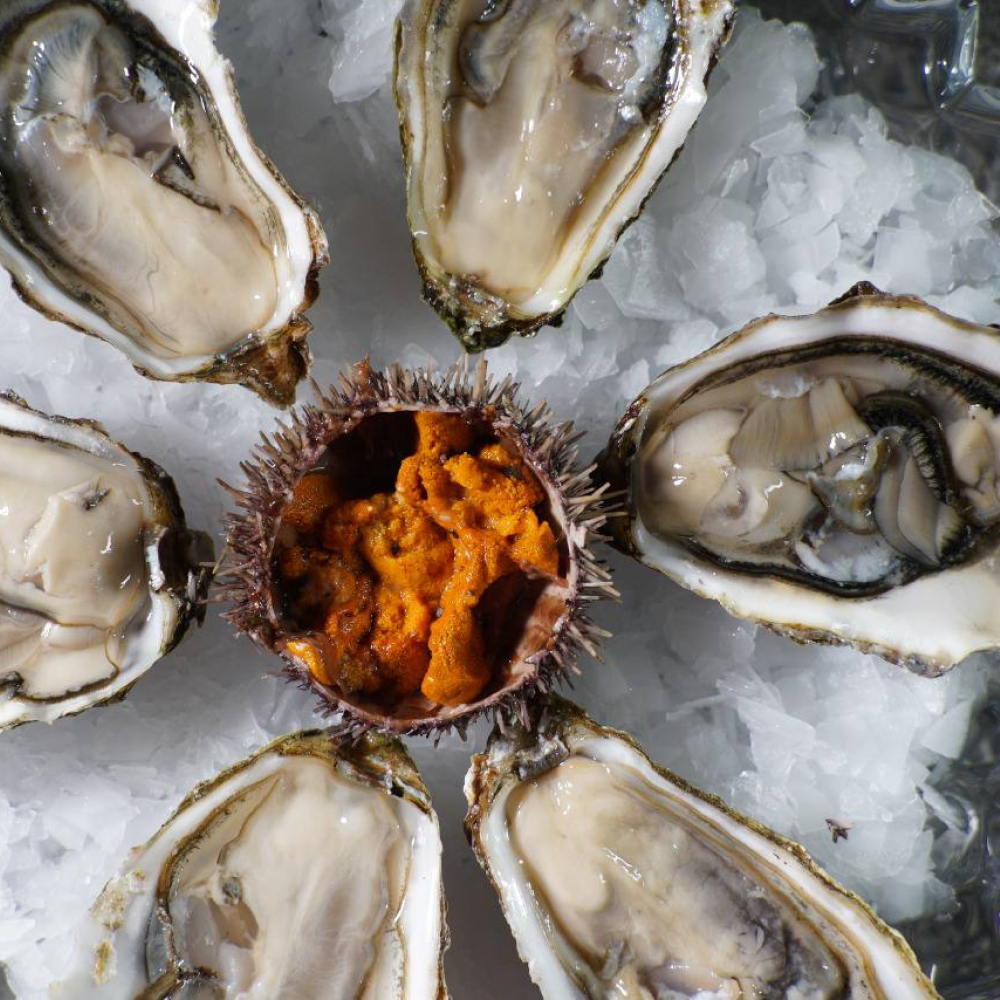
Naasson Food