Onomatlas — Atlas of Onomatopoeia
An international project about how different languages render the same sounds. A dog barks «gav-gav» in Russian, «woof» in English, and «wan-wan» in Japanese. Onomatopoeia reaches far beyond animal sounds alone.
«Language is a map of culture. And onomatopoeia is its most honest part.» — project concept
About the project
Onomatlas (onomatlas.online) is a multilingual database of onomatopoeia across 20 world languages. The project explores how different cultures hear and write down the same sounds. Onomatopoeia (from Greek ὀνοματοποιΐα) refers to words that imitate sounds: the noise of nature, animal voices, the sound of actions, machinery, emotions. It is a phonetic tracing of reality, and each language hears it in its own way.
What the project contains
- Animal sounds: how a dog barks, a cat meows, a frog croaks across languages
- Nature sounds: rain, wind, thunder, the rustle of leaves
- Action sounds: knocks, strikes, falls, splashes
- Vocal reactions: laughter, crying, sneezing, coughing
- Mechanical sounds: clocks, engines, bells
- Comparative analysis: why the same thing sounds different
Gallery (grid)



Why it matters
Onomatopoeia is a window into cultural perception of the world. The way a language writes down a sound reveals the particularities of its phonetic system, its hearing, its cultural associations. For language learners: understanding onomatopoeia helps you hear a foreign language better, its rhythm and intonations. It is a natural way to grow accustomed to the sound of a language. For linguists: comparative analysis of onomatopoeia reveals the phonetic features of languages, the limits of sound systems, and the cultural patterns of perception. For the curious: it is simply fascinating. Why does a French duck say «coin-coin» and a Russian one «krya-krya»? Why does a Japanese cat say «nyan-nyan» and an English one «meow»?
Two images with captions (captions-two)

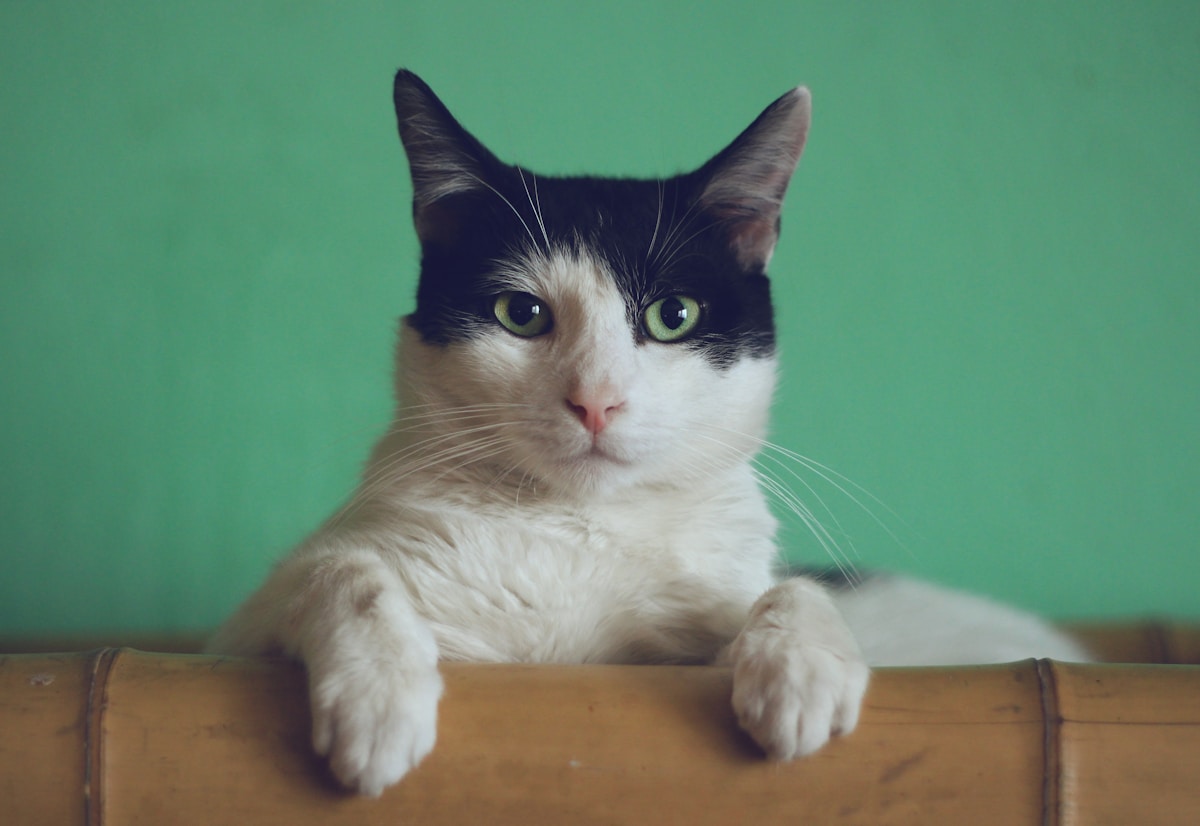
Dog
Cat
Three images (block three)
Wide image

How it works
The project follows simple navigation: pick a category of sounds, pick a specific sound (for example, «the bark of a dog»), and see how it sounds across 20 languages. Each entry contains:
- Transcription of the onomatopoeia
- Audio examples (where available)
- Cultural context (why this particular form)
- Comparative analysis (which languages align, which diverge)
The project takes the shape of an atlas for the curious, mapping the diversity of sound perception around the world.
Marginalia

A sound has no language. And every language hears it in its own way.
Coverage and languages
The project supports 20 languages: Russian, English, Spanish, French, German, Italian, Portuguese, Polish, Dutch, Turkish, Arabic, Hebrew, Hindi, Thai, Vietnamese, Indonesian, Japanese, Korean, Chinese (Simplified). This coverage reaches much of the world's population and shows the maximum diversity of phonetic systems.
Monetization and openness
The project sustains itself through contextual advertising (Google AdSense). The content is evergreen — sounds do not change, onomatopoeia holds steady over time. This keeps the project self-supporting. The project welcomes additions and suggestions. If you are a linguist, a native speaker, or someone who spotted an error — let us talk.
Project status
The project is in development. The database is being assembled, transcriptions are being verified, and new languages and categories of sounds are being added. Launch is planned for 2025. If you want to take part in the project, contribute materials, or simply follow its progress — let us talk. Practical meme catalog with powerful search and convenient export. Not an encyclopedia, but a tool: find, download, send. Integration with Telegram for instant use in chats.
Memazilla — Meme Library