Easter of Christ
An Orthodox educational portal about the main Christian holiday. History, traditions, symbolism, interpretations, icons and spiritual significance.
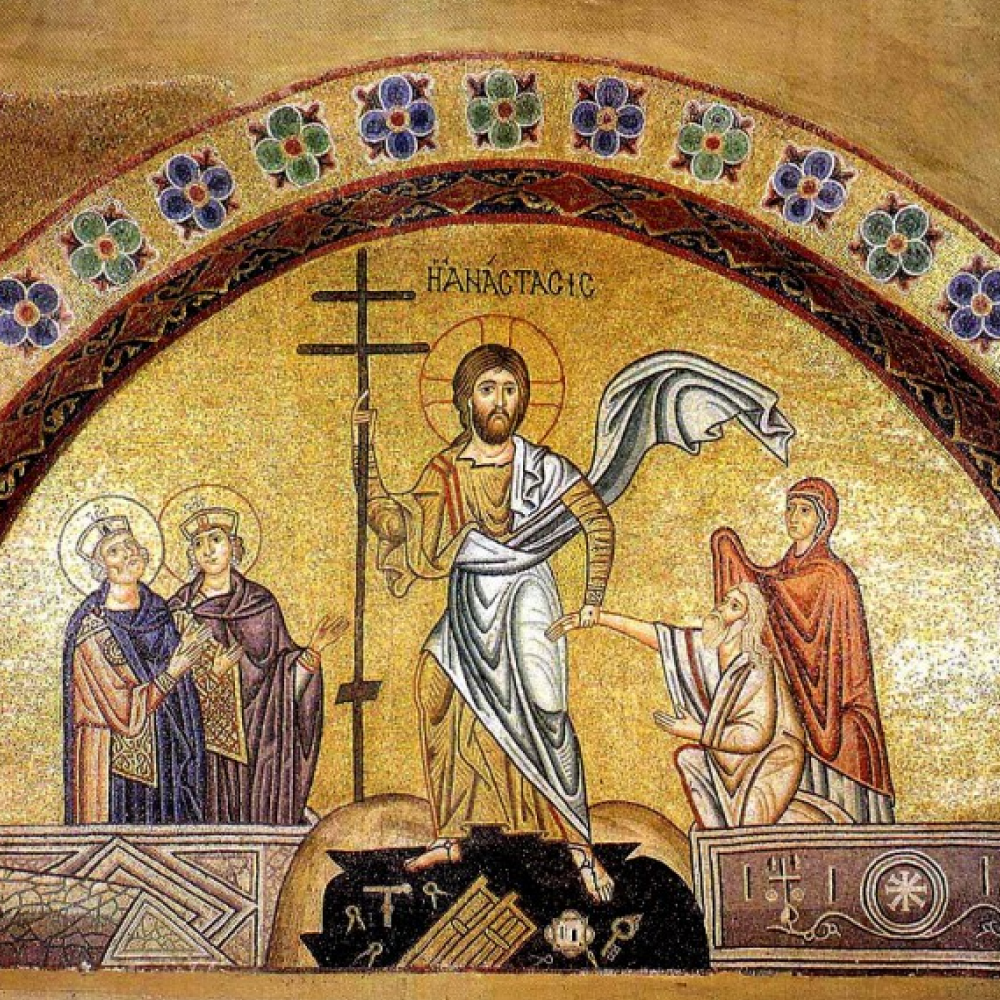

«Easter stands at the center of the Christian calendar. It is the event that shapes the entire structure of the church year and the meaning of faith.» — the heart of the project
About the project
Easter. Everyone knows this holiday. Painted eggs, Easter bread, «Christ is risen!». For many people today, the depth and meaning of this holiday remain hidden. We know the traditions; we sometimes miss where they came from. We know the symbols; we sometimes miss their meaning. We know the history; we sometimes miss its connection to the present day. Our project is an Orthodox educational portal designed to help understand Easter in its full breadth: from Old Testament roots to modern customs, from historical events to spiritual meaning. It is a resource for all people, for specialists and seekers alike — an accessible and engaging way to explore the main Christian holiday. The project is multilingual, starting with Russian, with translation into other languages planned. Easter stands at the center of the Christian calendar. It is the event that shapes the entire structure of the church year and the meaning of faith.
Gallery (full-bleed)


History and traditions
Easter has deep roots reaching back into Old Testament history. From the Passover of the Old Testament to Easter of the New — how the Exodus connects with the Resurrection, how liberation from physical bondage became liberation from spiritual bondage. Traditions took shape across centuries, and every tradition carries its own meaning and story. Easter in different traditions — the Eastern and Western churches have their variations, and the common ground remains common: this is the holiday of the Resurrection, the victory of life over death. Calculating the date of Easter — why it is celebrated at different times, what algorithm is used for the calculation, how it ties to the lunar calendar and the historical decisions of church councils. The Easter service has its structure, and each element carries meaning. Painted eggs carry deep history within a living tradition. Easter bread carries spiritual significance within a familiar pastry. Easter greetings of «Christ is risen!» sound in many languages, and the meaning stays the same.
Two images with captions (captions-two)

Easter eggs
Easter bread
Symbolism and preparation
Every element of Easter carries deep meaning. The Paschal Lamb — sacrifice and atonement, the link between Old Testament offerings and the New Testament understanding of Christ's sacrifice. Light and fire — the victory of light over darkness, held in symbolic form and in the literal sense of the Paschal fire. The colour red — blood and life, a link to sacrifice and resurrection. Easter hymns — music and texts, their meaning and their history. Easter comes through preparation. Great Lent — forty days of preparation, its meaning and practice, and its link to the events of the Gospel. Holy Week — the final week before Easter, each day carries meaning, from the entry into Jerusalem to the Resurrection. The Paschal Vigil — the night service, the culmination of preparation, when darkness gives way to light and sorrow gives way to joy.
Three images (block three)

Portal of knowledge
The project gathers a broad collection of materials about Easter: Sacred texts:
- Passages from the Old Testament foretelling the Resurrection of Christ
- New Testament texts describing the events of Easter
- Prophecies and foretellings of this miraculous event
Interpretations and sermons:
- Classical and modern commentaries from the Church Fathers
- Sermons on Easter from authors of different eras
- Reflections on the spiritual meaning of the holiday
Visual materials:
- Ancient icons depicting the Resurrection of Christ
- Frescoes from churches of different eras
- Modern iconography
- Iconographic materials showing the development of the Easter image in art
Educational materials:
- Articles and long-reads with deep studies of particular themes
- Video materials — documentaries and lectures
- Infographics to visualize complex concepts
- A calendar of holidays with dates and related events
All of this helps in seeing Easter as a living event whose meaning still speaks today.
Wide image
Why this matters
Many traditions lose their meaning once their origins fade from view. We help readers see the depth behind familiar gestures — why we paint eggs, why we bake Easter bread, why we greet one another in this particular way. Easter is a living reality that changes lives, and understanding this helps make the celebration more meaningful. An accessible and engaging way to explore the history and traditions of Christianity — through living materials that show the link between past and present, between tradition and faith.
Marginalia-plus


Easter brings together history, tradition and faith as a single whole. Our project helps in seeing this connection.
Project status
The project is active. We keep adding new materials: articles, videos, infographics, icons, interpretations and sermons. Understanding Easter is a process that grows with every reading. Follow the updates, especially in the approach to Easter, when we publish materials tied to preparation for the holiday. The project is multilingual, starting with Russian, with translation into other languages planned, so that more people may touch the depth of this great feast. Technological project to solve the problem of demining territories. Methods for detecting and neutralizing explosive devices.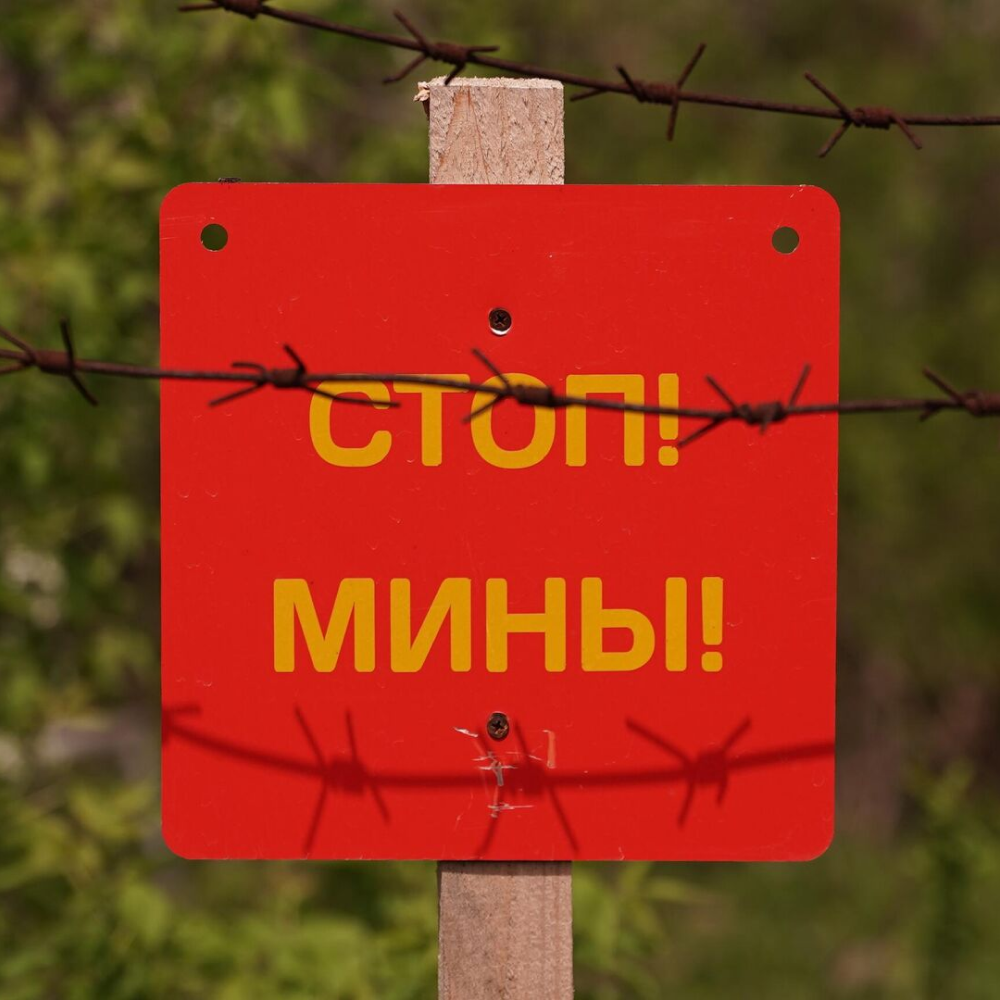
Demining